Weekend Greenwich
An F&B brand whose renewal and department-store expansion I am leading as a freelance brand director
- Role
- Brand Director (Freelance)
- Duration
- Mar 2026 – present
- Commitment
- 3 days a week
- Scope
- Menu, packaging, pricing
200–300%
Dessert category revenue growth
It opened in 2023 as a New York–style café and found its footing, but after passing through several hands its signature menu and brand identity had blurred. I joined to reassemble the brand through data and menu structure.
Reassembled on Data

Cases
01
Reassembled on data, not instinct
- Data first
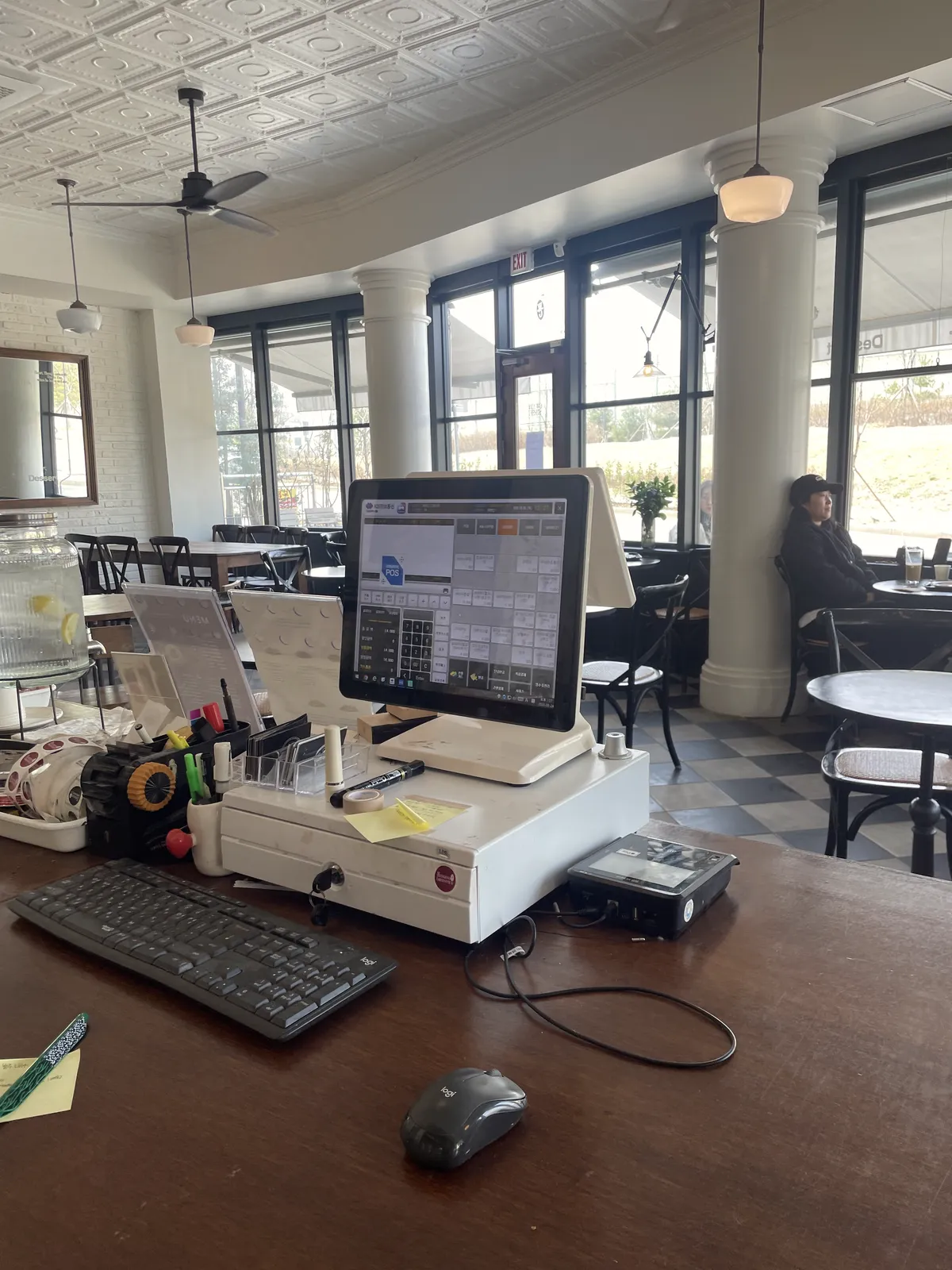
- The first thing I did after joining was bring in the Toss POS and start recording revenue and menu data, with a data review every month. It changed the basis for decisions from “a feeling” to “a record.”
- Menu structure
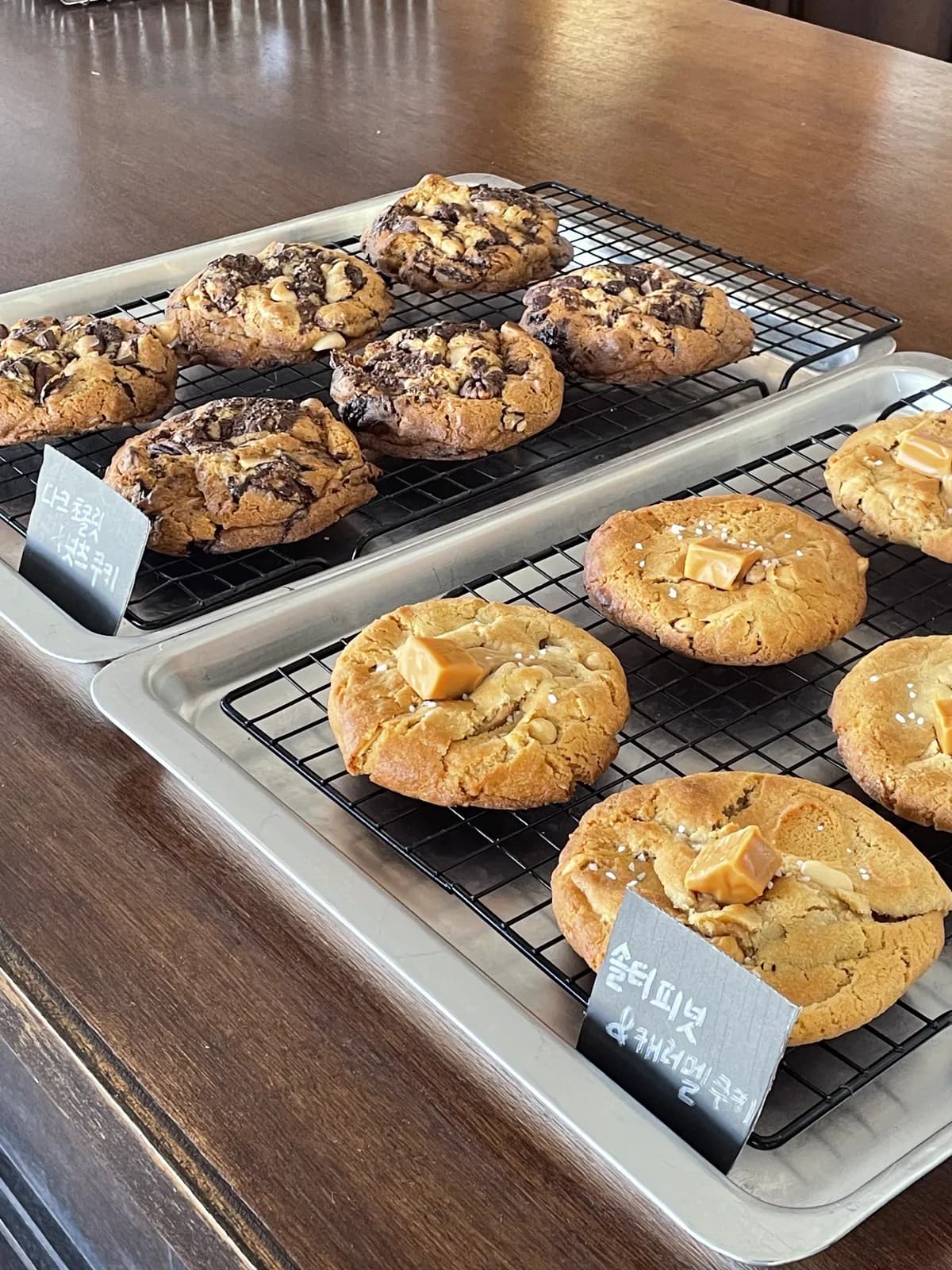
- I fixed the standing menu after checking the full inventory, then turned leftover ingredients into guerrilla event items announced on Instagram. Stock gets used up, and customers get a reason to come in.
- Drinks rework
- Once I had POS revenue data over three months and one month, I pulled any drink selling fewer than 10 times a week. As the menu got simpler, ordering got simpler with it.
- Brunch
- Given the location and the size of the shop, brunch requests kept coming in. It wasn’t a quantitative metric, but the frequency of spoken requests confirmed the need, so I designed the menu within what the current kitchen could actually produce and made the menu sheet itself. Extending the opening hours and rearranging staffing brought in a new morning crowd.
- Result
- Dessert category revenue grew 200–300% · a new morning customer base
02
The butter-tteok pop-up — between a hit and a failure
- Learning the channel
- Running 2 pop-ups across 3 department stores plus 1, I learned the distribution structure from scratch — pitching for a spot and submitting the proposal, and the vendor companies that sit between a department store and a shop (typically ~6% vendor fee, ~15% department store).
- Situation
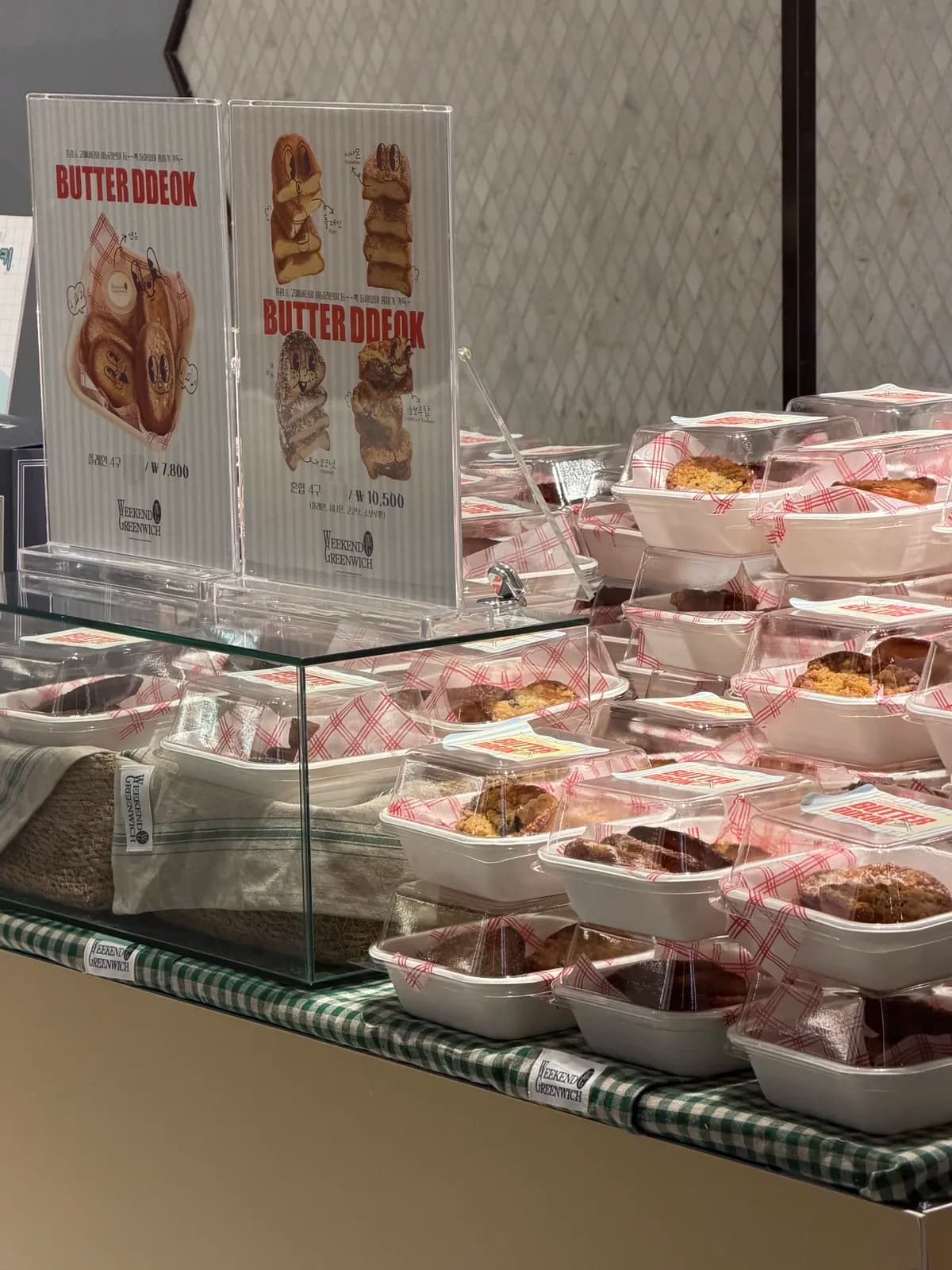
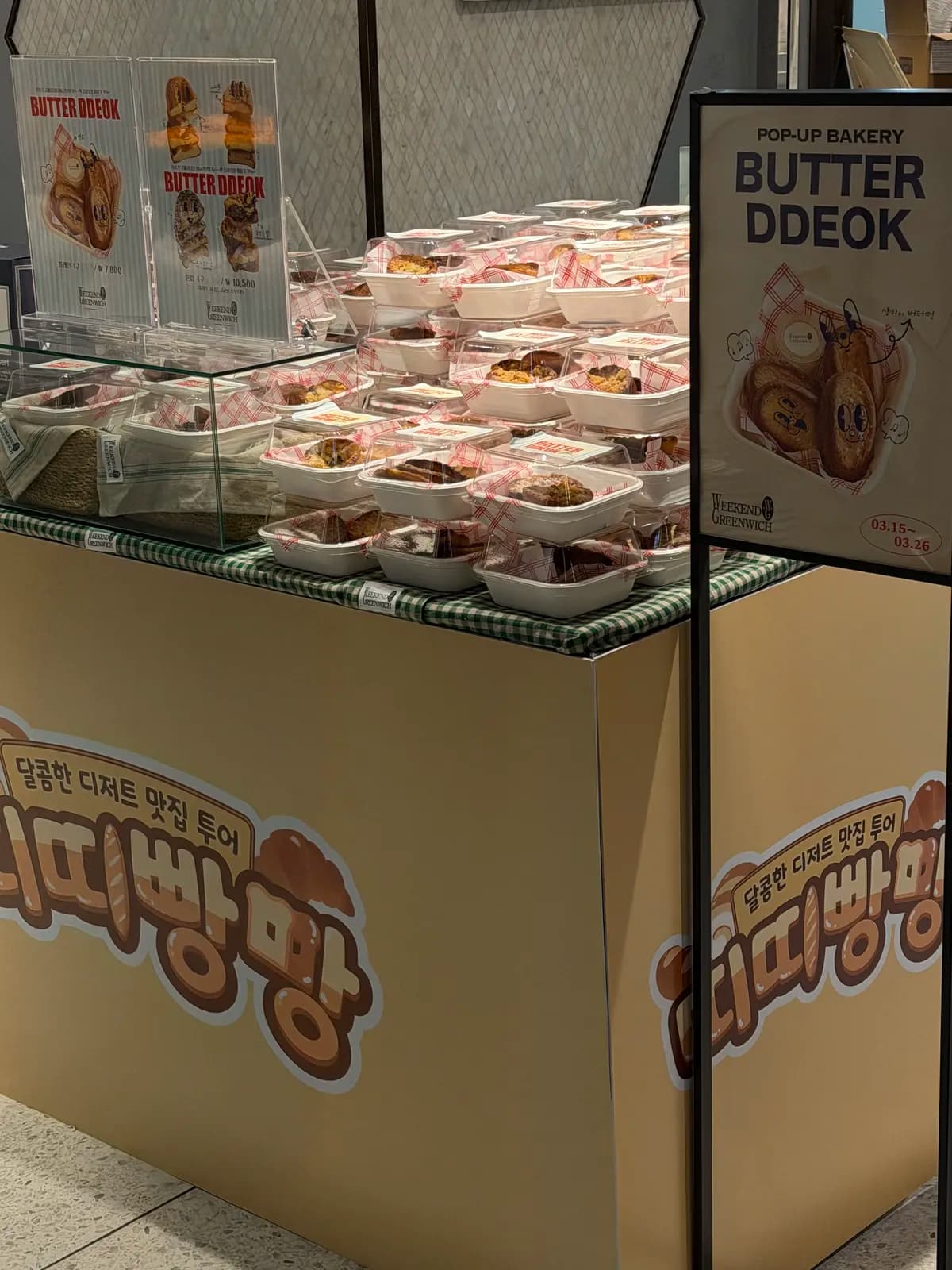
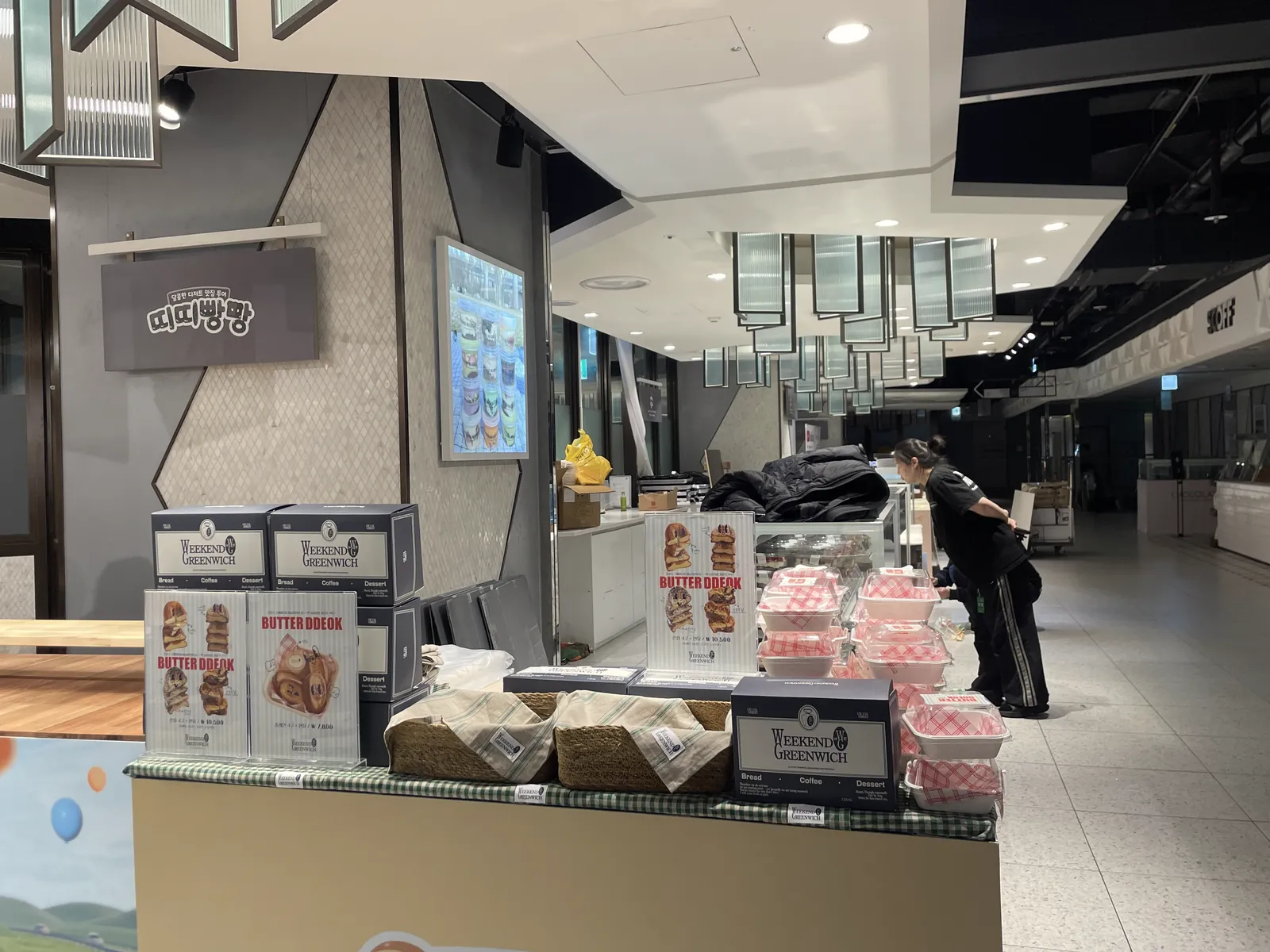
- The biggest lesson came from a failure. In the middle of the viral dessert wave at the time, and at the department store’s strong request, we went in with a single-item butter-tteok pop-up.
- Week 1
- People lined up to buy it, and we ran short on quantity every day.
- Scaling up
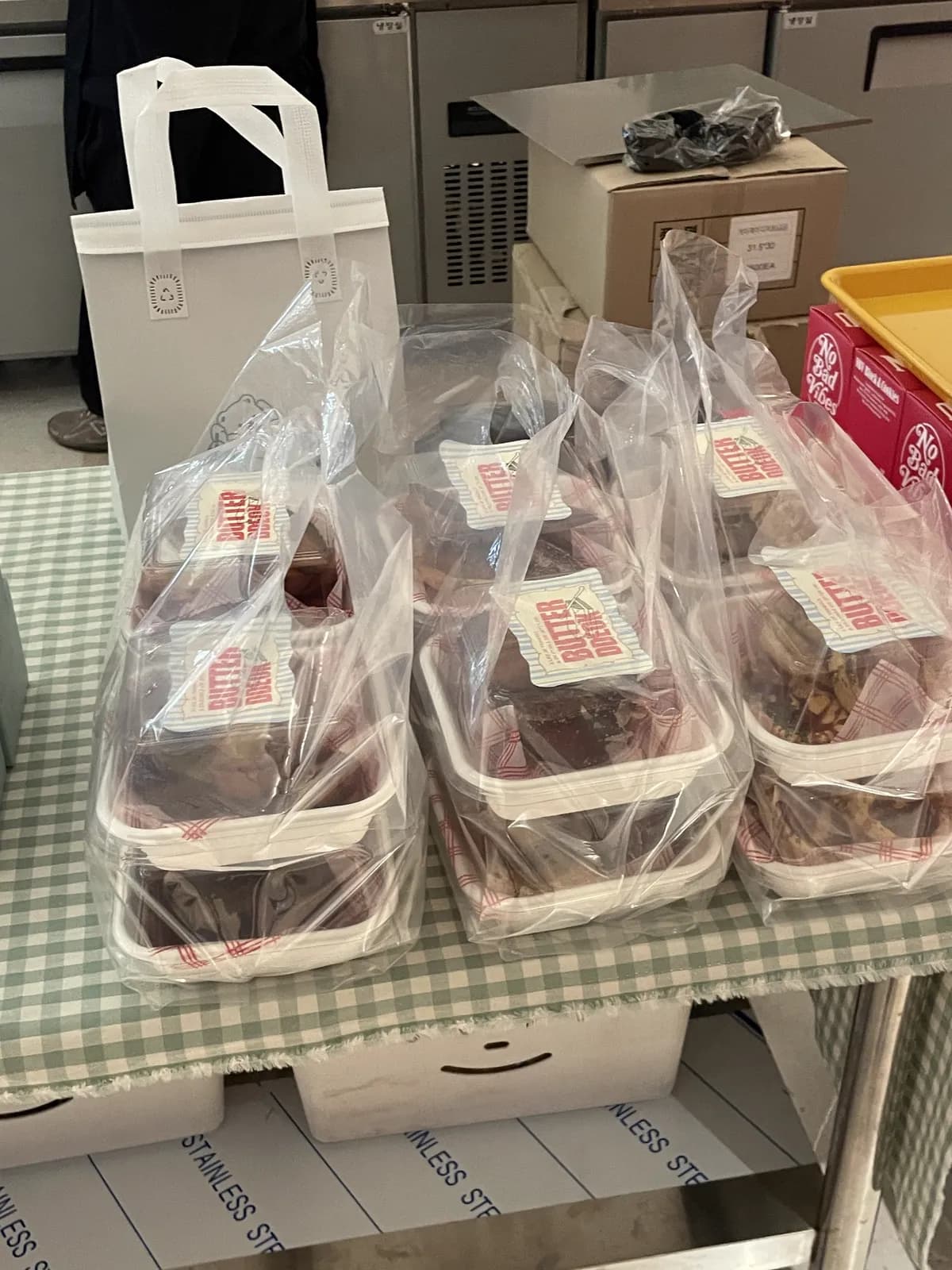
- In week 2 we signed to expand the pop-up to 3 locations, and since our own output couldn’t cover it we switched to factory production — a contract signed after checking the samples.
- Collapse
- The factory’s mass-produced goods were clearly lower in quality than the samples, and in the meantime the viral moment cooled before it lasted two weeks. After ending the contract early, I rented a workspace and produced through the night myself to hold the department store delivery schedule. Labor, logistics, equipment costs and leftover stock on top — a painful loss.
- Anatomy of the failure
- ① Raw material variance — flour is uniform, but glutinous rice flour differs in particle size and moisture by manufacturer, which made quality hard to predict. ② Production bottleneck — 30 minutes to bake; the ingredient cost was low but the time cost was high. ③ Irreversible pricing — the consumer price was locked to the low starting price of the viral phase, so the margin structure couldn’t be walked back. ④ Demand has a shelf life — viral demand cooled faster than a supply chain could be built.
- In one sentence
- I learned through a loss that what decides a business is not how appealing the product is, but the structure of production, price, and demand.
03
What transferred, and what didn’t
- Transferred
- From Bakeshop, I connected the supplier network (ingredients, packaging) directly, which cut setup costs, and reused the process of costing out and then deriving the right price. The standard for composing a menu is the same too — it has to keep, cost little, and be producible on a fixed schedule.
- Didn’t transfer
- Bakeshop’s formula for regulars doesn’t work here. A director rather than an owner has different latitude in service, three days a week means a different density of rapport, and a trade area built around customers arriving by car has a different repeat-visit structure than a neighborhood one. The same know-how has to be redesigned when the context changes — the most design-like lesson I took from operations.
- Still open
- In a non-resident director setup, ordering authority and execution sit apart, so inventory loss keeps recurring. It remains a question of authority structure — one a system rework alone doesn’t solve.
Anatomy of the Butter-Tteok Failure
Distribution Expansion
Takeaway
Three days a week, I am still running this brand and working through the open questions above. Producing results inside someone else’s business, with limited authority and limited time — that is what this project is teaching me.