Wizzy Bakeshop
A dessert brand I founded and ran for 2 years 2 months, with real revenue as the feedback loop
- Role
- Founder
- Scope
- Product / Operations / CX
- Duration
- 2022–2024
58%
Returning customers (POS data)
I started it because I wanted to share something I love, and I learned how to run it by being tested every day — by money and by customers.
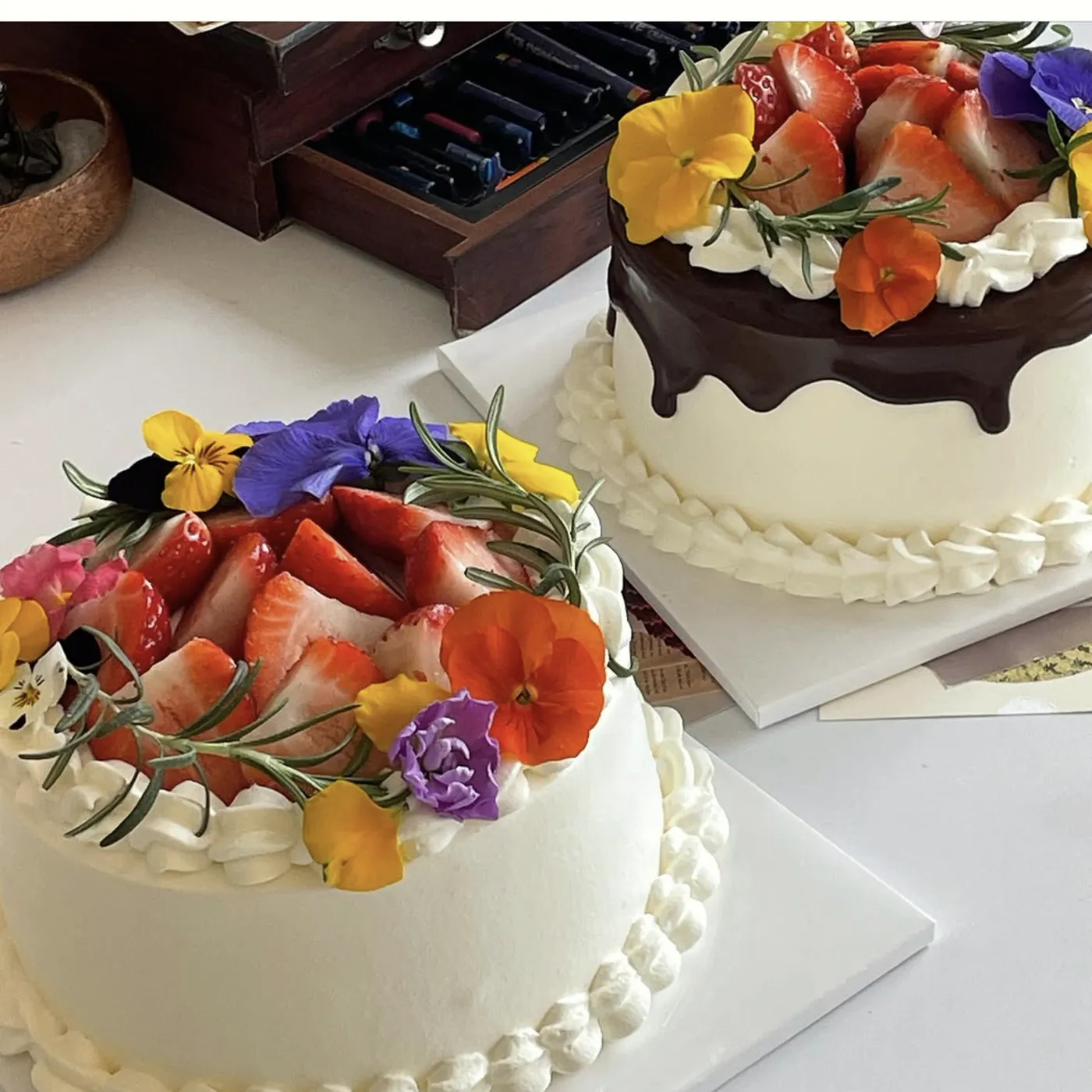
What I Built
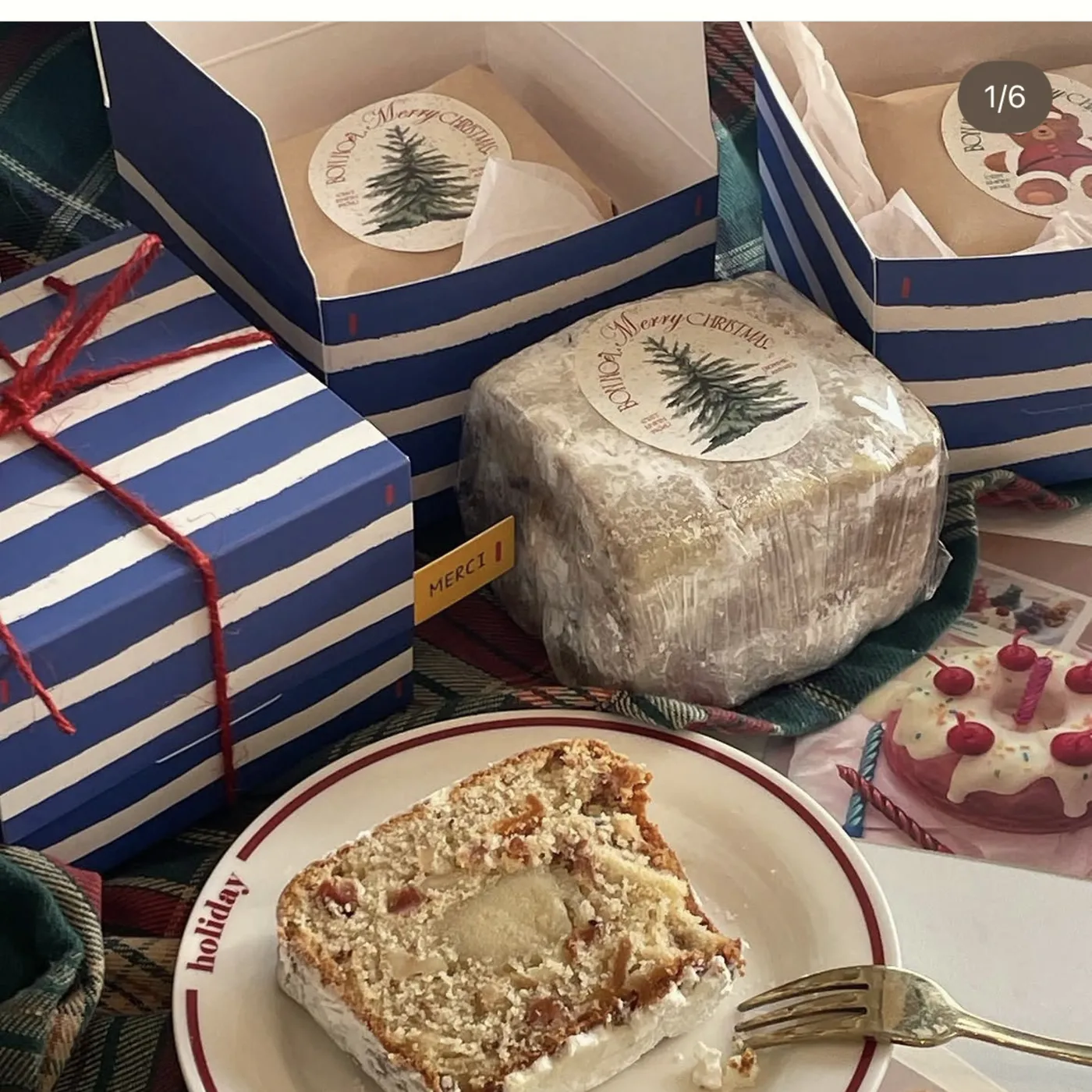
The moment a dessert becomes a gift, the buyer and the consumer are no longer the same person. The recipient eats it; the buyer judges the packaging. So I redesigned the package, and it led to Lunar New Year gift-set pre-orders.
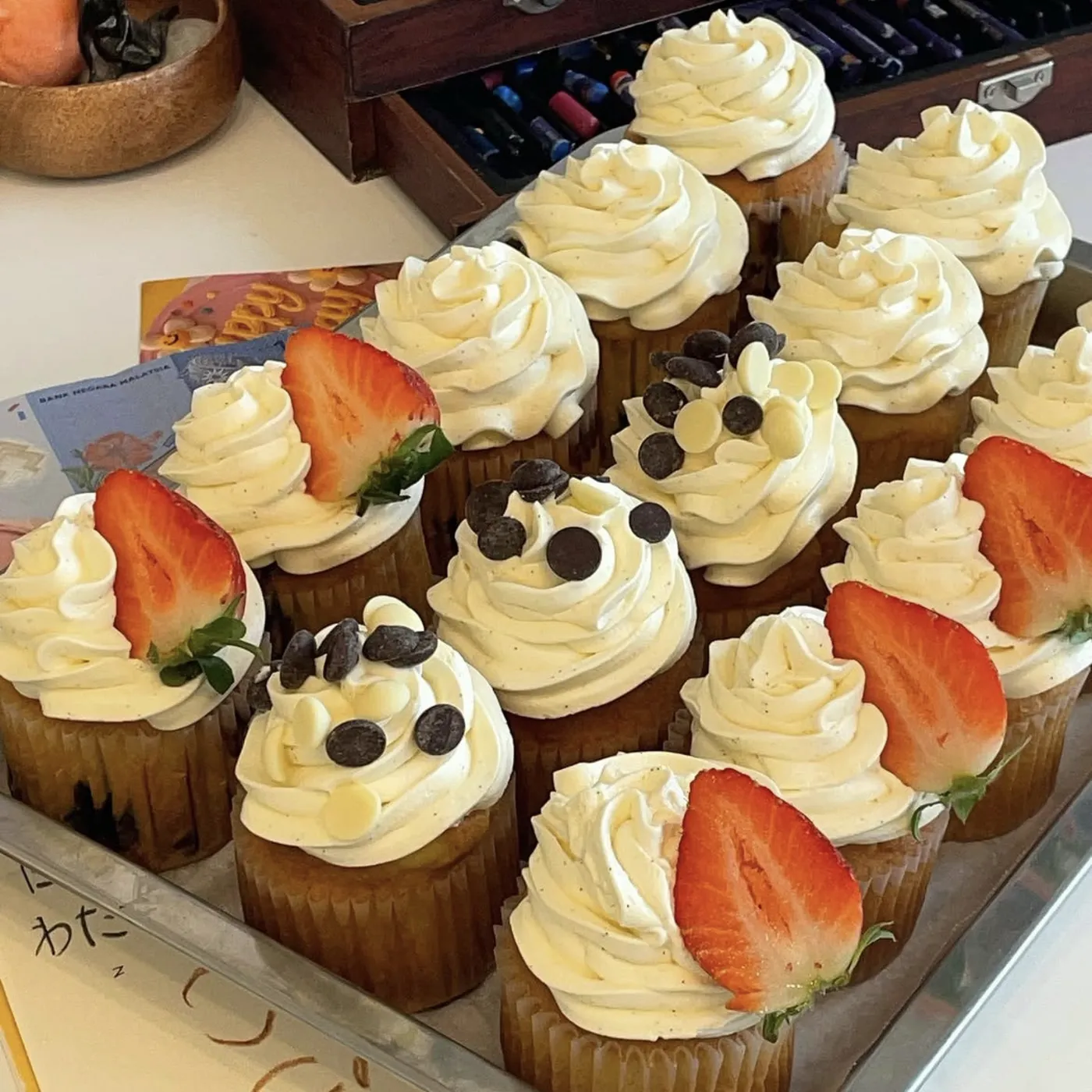
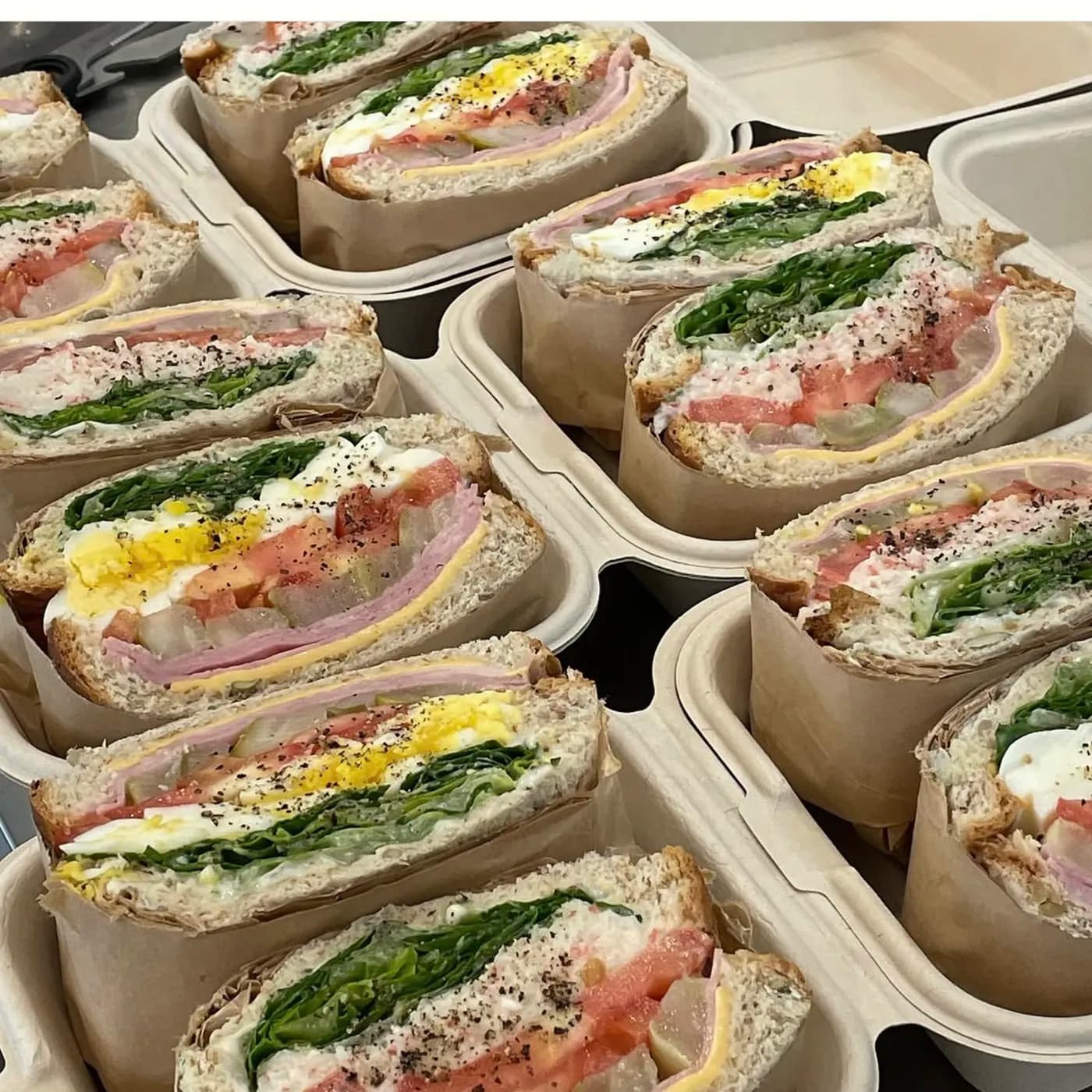
Brand Graphics
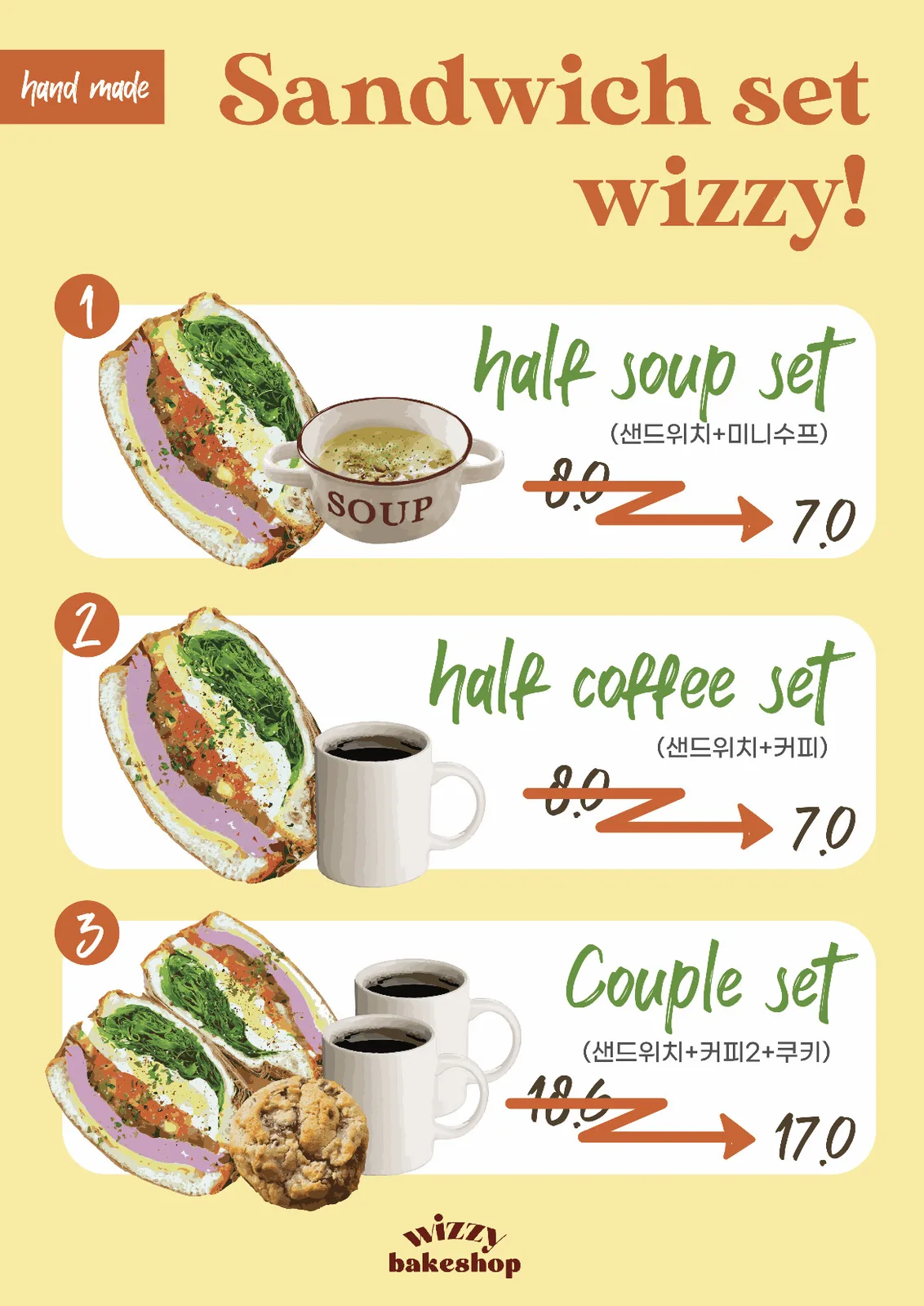
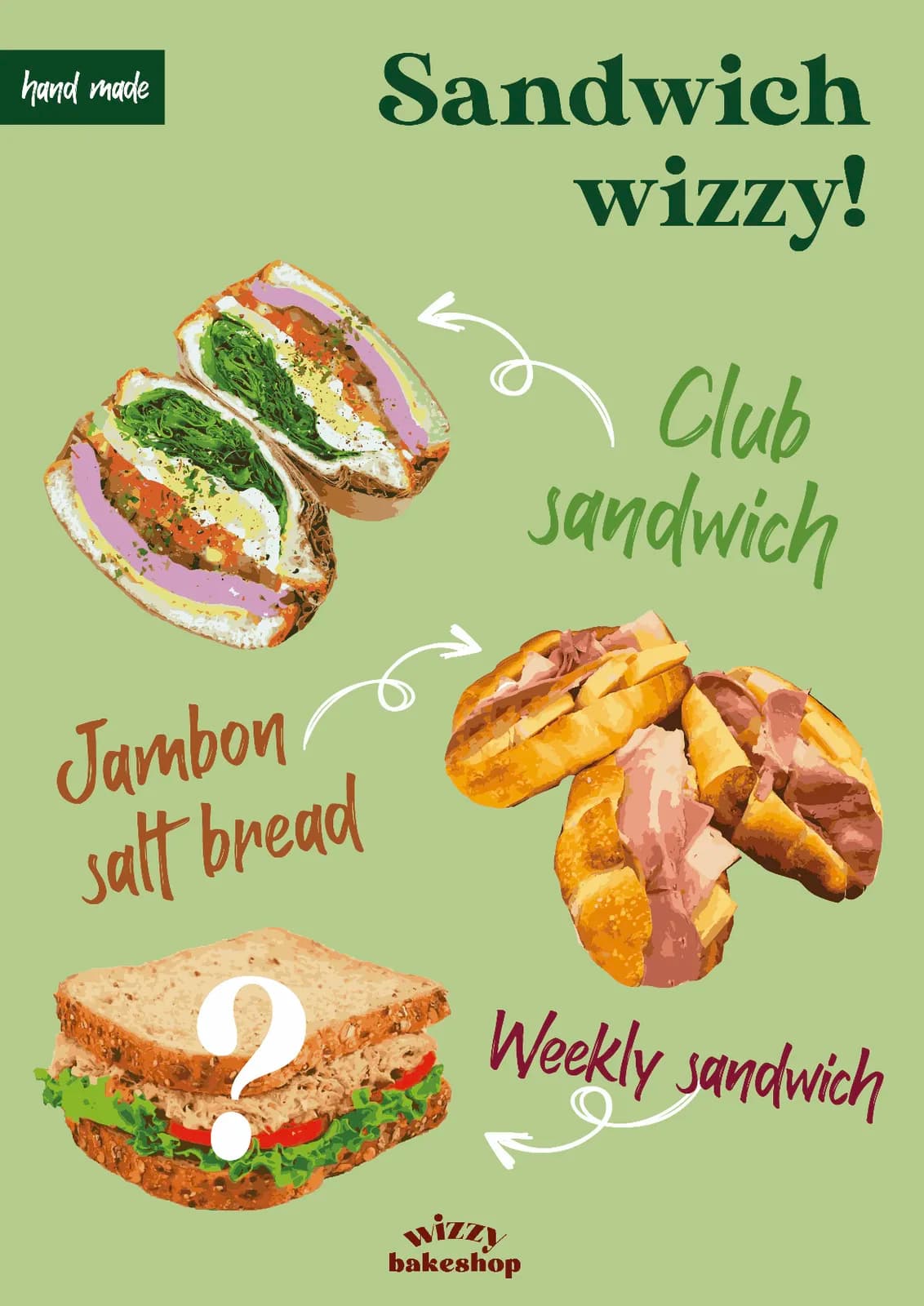

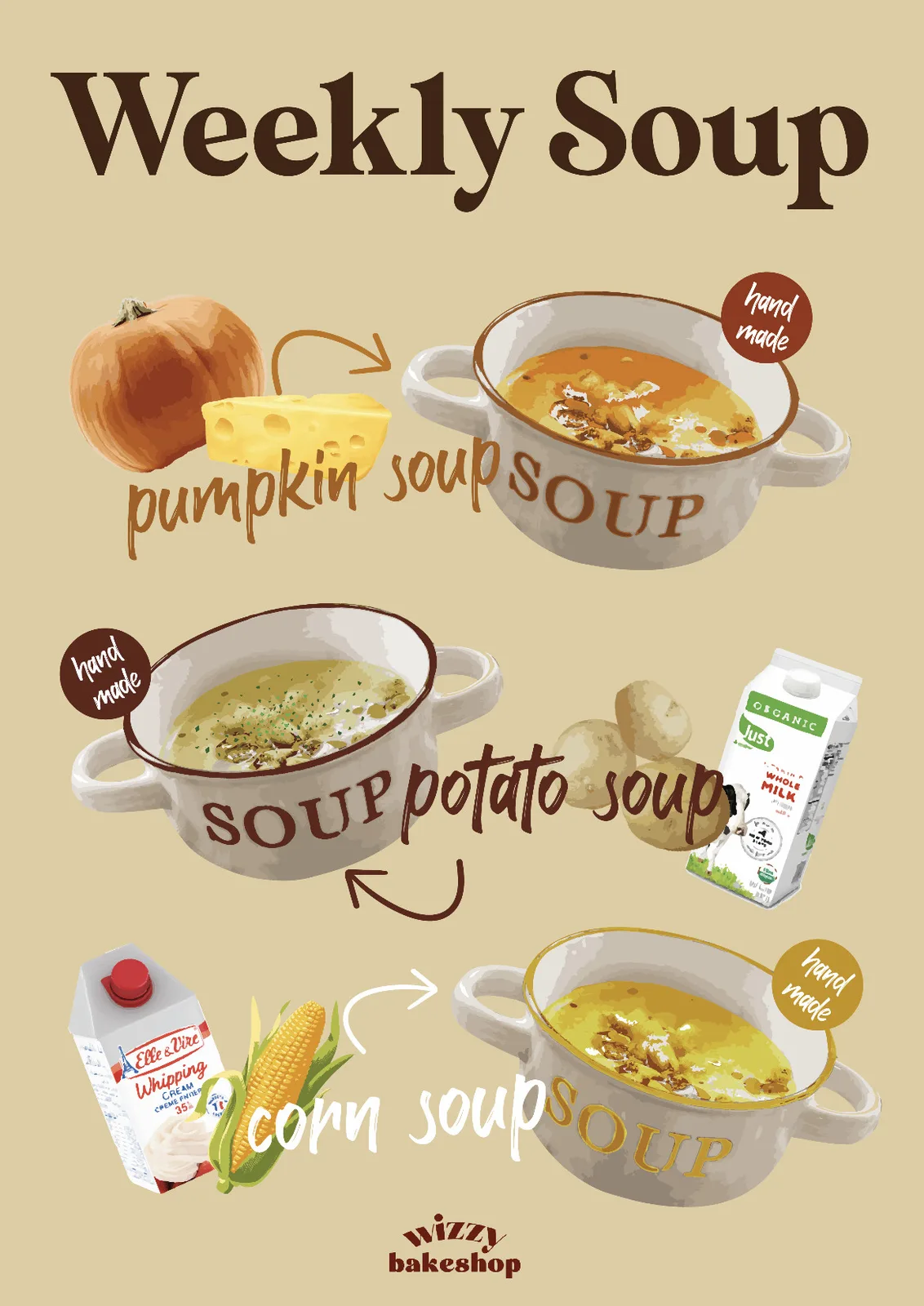
Weekly menu posters I designed
Cases
01
The 70/30 rule behind 58% returning customers
- Observation
- A neighborhood shop has a fixed pool of customers. On the same menu alone, reasons to visit run out.
- Judgment
- Let the fixed menu carry trust and the new items carry novelty — 70% fixed, 30% new, every week.
- Action
- I put out a new item every week based on seasonal ingredients, and on closing days I posted two candidates for the next week’s menu to an Instagram vote so customers chose it themselves.
- Result
- 58% of all customers became returning customers (POS data). The confidence that “if Wizzy makes it, this one will be good too” turned a random new item into something to look forward to.
02
The Butter Apple failure — a good product was not a product that sells
- Situation
- “Butter Apple,” an homage to pineapple cake. Both the look and the taste had real care in them, and I was sure it would do well.
- Reality
- The process was handmade, so production efficiency was low, and it sold poorly because the size was small for the price.
- Experiment
- On the hypothesis that “a taste is what leads to a purchase,” I ran a sampling service. Customers really did come back to buy after tasting — but this time I hadn’t prepared the quantity.
- Lesson
- How finished a product is and how it holds up on productivity and price structure were separate problems. The product was not the good thing itself — it was everything up to the structure that could make it and sell it.
03
The salt bread dilemma — I judged it by the basket, not by unit margin
- Situation
- In a pastry shop that sells only same-day, salt bread was low-priced and labor-heavy — on margin alone, an item to cut.
- Observation
- But customers who came for the salt bread bought other desserts along with it.
- Judgment
- I decided to judge an item’s value by the whole basket it sells with, not by its unit margin. The salt bread stayed.
- Bonus
- Leftover days followed the same standard — I never ran discounts. The idea that “come late and it’s cheap” eats away at a brand. Instead, near closing I would add one more to a customer’s bag: “This one is new — it’s a gift today.” So that surplus stock read not as a negative signal but as a good feeling on the way out.
Absorbing a cost increase
When chocolate prices jumped, I didn’t fight the price tag. Because the menu changed every week, items with a high cost share could be swapped for others naturally — the menu system absorbed the price resistance.
Traces of Operation
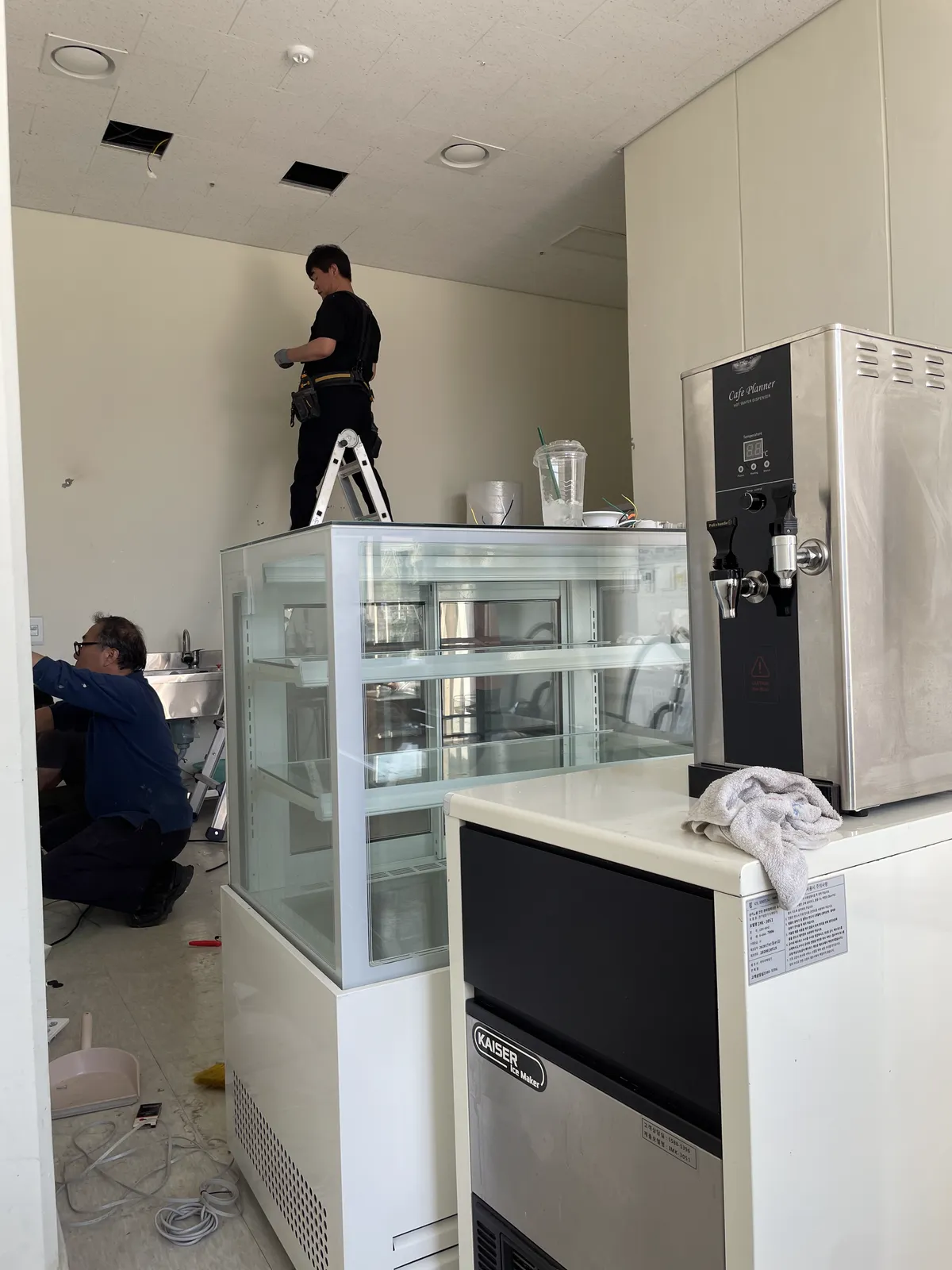
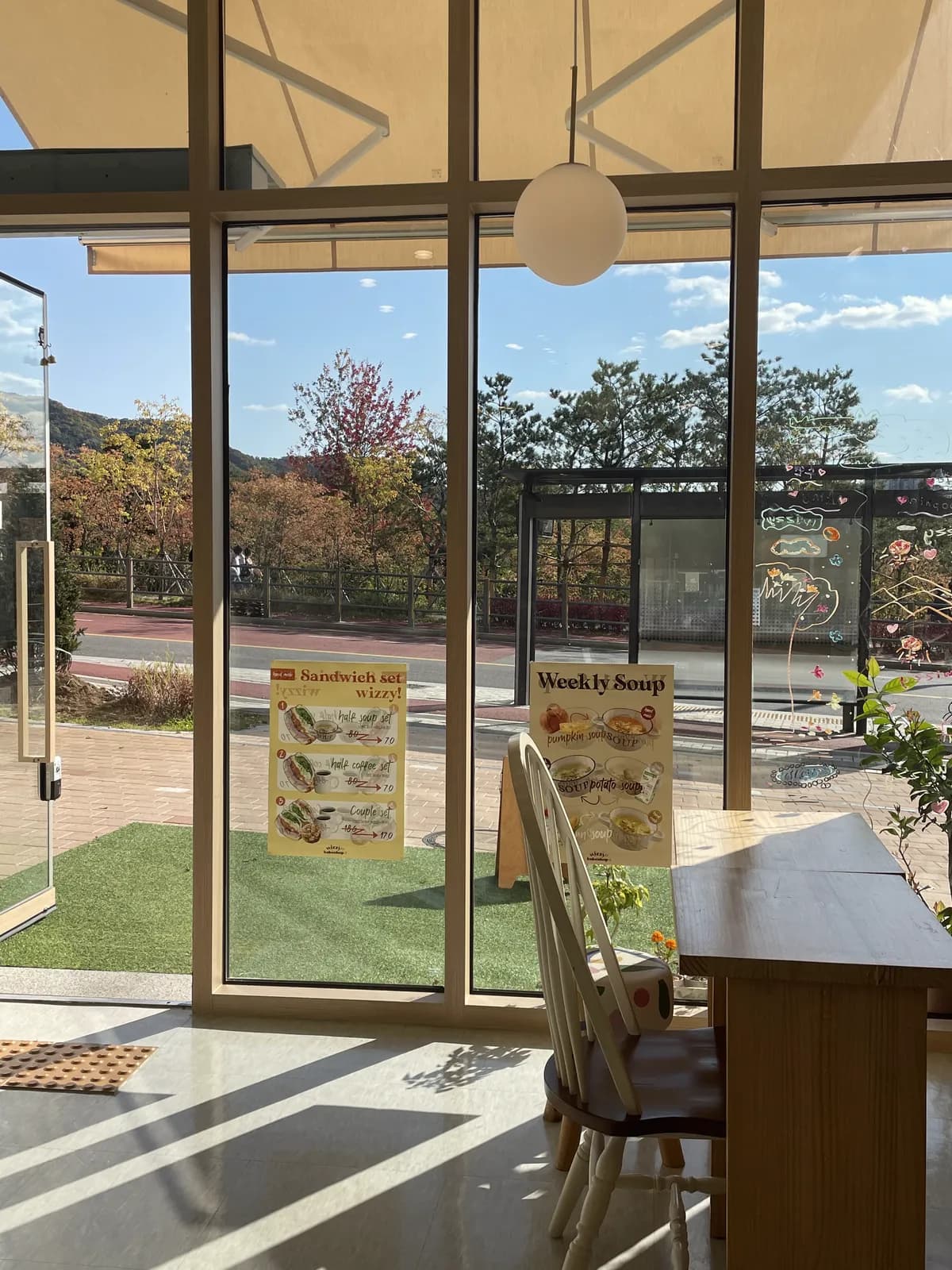


Takeaway
The customers were users, the revenue was the metric, and each week’s menu was an experiment. Before I learned the word research, I was doing it every day at the register.
I wrapped up the operation when my leave of absence for founding the business ran out and I returned to school. Closing the shop left me with two conclusions.
One — the wall of scale. This shop’s regulars were made by my own eye for detail, my hands, and fine-grained service, and that is exactly why it could not scale. Value that stops working without me had to be rebuilt as structure rather than as a person in order to last.
Two — the limits of the product category. Dessert disappears after a day; no product is more constrained by storage and distribution. The next product had to be the opposite — software doesn’t disappear once it’s made, has no distribution limit, and can be built from a person’s thinking with little capital. And the cycle of making something quickly, putting it out, and watching the response was exactly the feeling of releasing a new item every week.
So I changed products. I now solve the same question on a screen — making a good experience something that works for anyone as structure, not as one person’s talent. That is the product design I do.